

Your best Kona, mile by mile.
A race-day guide to the IRONMAN World Championship course from the Angela Naeth Coaching team: what each section actually feels like, where the day is won or lost, and exactly what to do there.
Who it is for: age groupers racing Kona this October, whether you have a coach or not.
How to use it: read it twice before race week, screenshot the race card, and read nothing on race morning.
A letter from Angela
I've stood on that pier twice as a pro. The first time, in 2015, I started the race with a broken foot and didn't even know it, and my day ended before I ever reached the run. The second time, in 2018, I finished eighth in 8:57, and it's still one of the proudest days of my career.
I grew up in Prince George, British Columbia, ran track in college, and used to ride my mountain bike to practice. I became a physiotherapist, and then in 2008 I quit my job and moved to California with about $2,000 and a dream, living in a trailer on a friend's land in the desert while I figured out whether I could make a living at this. Injuries and a qualifying-points shortfall pushed my first Kona back year after year until 2015, so I know exactly what it means to you to finally be standing on that pier.
Kona isn't just a race for me. I've spent years training on the Big Island, three or four weeks at a time, living a mile or two up the hill out of town, riding the Queen K when it was empty and swimming the bay before the sun cleared Hualalai. The people there took us in: the aunties at the farmers' market, the lifeguards who knew our names, the drivers who waved us through. It's a place that gives you a lot if you show up humble, and it will humble you fast if you don't. I know where the wind hits, which mornings the bay is glassy, and how different that highway feels at 7 am compared with 2 pm, and most of what you'll read here I learned on those quiet mornings, not on race day.
My favorite Kona memory isn't from a race. It's a 6:15 am swim on a training block, alone in the bay, when a pod of dolphins came through and stayed with me for a while. That, and the finish line in 2018, are the two moments I'd keep if I could only keep two. Take the ocean in while you're there. Get in early, look down, look around. You're swimming in one of the most beautiful places on earth, and you earned the right to be in it.
In 2018 I arrived a week early. I wasn't chasing anything fancy; I was simply grateful to be healthy and happy on that island, and I said two words to myself all day long: be strong. Crossing that finish line was the best feeling I've ever had in racing.
Every race guide will tell you where the aid stations are. This one tells you what it feels like: the quiet climb at mile 77 when the wind suddenly drops and the heat lands on you, why the airport lies to you on the way home, and what goes on in your head in the Energy Lab. Holly, Liz and I have raced long, coached long, and watched our athletes suffer and shine on this island, and this is exactly what we tell them.
Read it twice before race week. On race morning, read nothing at all, because by then you'll already know.
— Angela
Meet the team
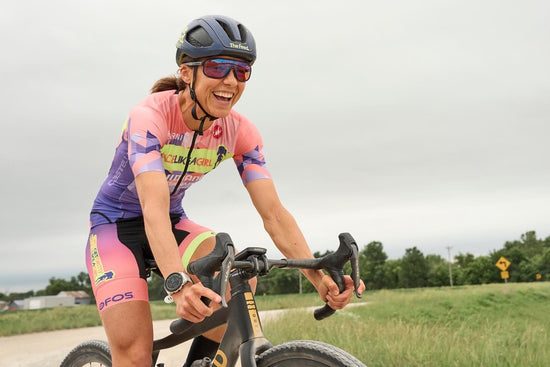
Angela Naeth
Professional Triathlete and Head Coach, ANC
Founder of Angela Naeth Coaching. She has raced as a pro since 2009, raced Kona in 2015 and 2018 (eighth in 8:57) and the 2022 World Championship in St. George, won three IRONMANs in under nine hours and 19 IRONMAN 70.3 titles, and is a physiotherapist by training.
Angela: Kona rewards patience for the first six hours and courage for the last three. Most people do it backwards, so be the one who doesn't.
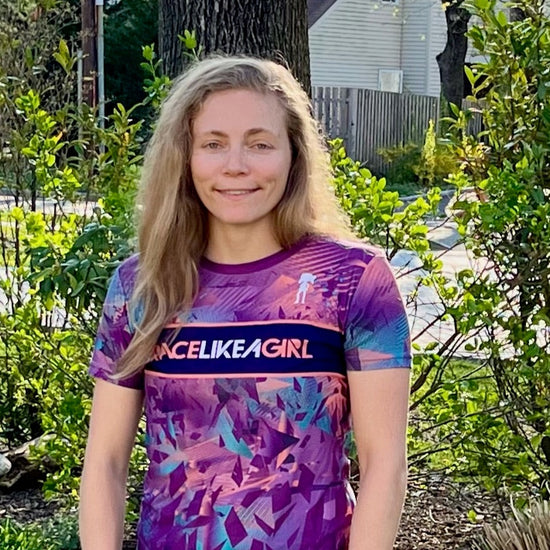
Holly Koksel
Athlete and Coach
Holly went from her first 5K in 2009 to IRONMAN and ultramarathons. She has qualified for the IRONMAN World Championship multiple times, stood on ultramarathon podiums, and been named a USAT All-American.
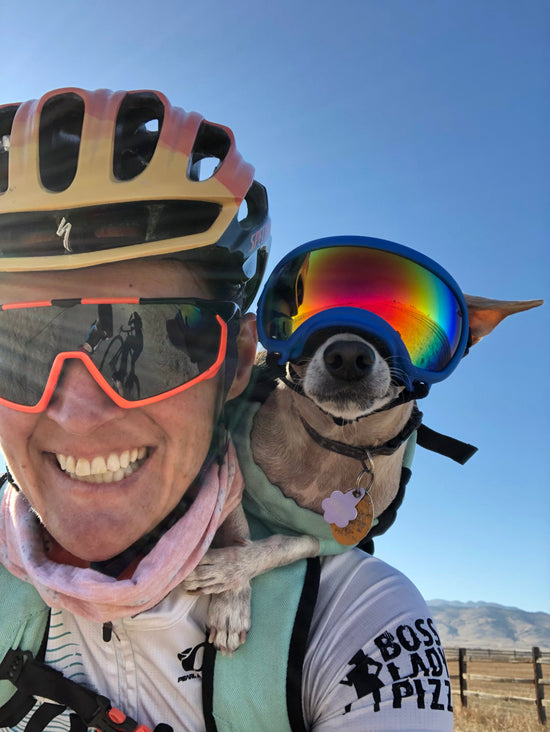
Liz Flaherty
Athlete and Coach
Liz found triathlon as a US Air Force officer and raced it alongside a career in spacecraft operations. She raced Kona in 2017 in 10:57:27, her sixth Ironman and her strongest to that point, after qualifying at IRONMAN Boulder that same year. She has finished ten full-distance IRONMANs and also races XTERRA and mountain bikes.
Liz: Kona rewards the athlete who stays consistent, stays smart, and races their own race. It's the one event where the real victory is personal, so go and enjoy it, because you earned it.
Lessons from racing Kona
Every time I've raced this island it has taught me something, and these are the lessons I still coach from today. The stories behind them follow, including the day that didn't happen and the day it all came together.
- You can only control your own day. The field will do whatever it does, so stay in your plan and let the race come to you.
- Calm days are fast for everyone. A quick day doesn't change your job, which is still to race your own effort.
- Arrive early and arrive grateful. In 2018 I'd fought back from a Lyme diagnosis and raced five IRONMANs in six months just to qualify. Gratitude carried me through the hard miles more than any number did.
- One mantra beats ten thoughts. Two words carried me through 140.6 miles.
For context, a little about my racing: I raced Kona in 2015 (a DNF on a broken foot) and 2018 (8th in 8:57), and the 2022 World Championship in St. George (18th). Along the way I won IRONMAN Chattanooga twice, the IRONMAN North American Championship in Texas and IRONMAN 70.3 Hawaii, with three IRONMAN wins under nine hours and 19 IRONMAN 70.3 titles in all.
"The best feeling I've ever had at a race. Ever."
My 2018 Kona finish. Read the full story below.
The road to the pier
My first IRONMAN win came in Chattanooga in 2014, and that same year I won IRONMAN 70.3 Hawaii, Honu, on the Big Island, so I'd already raced in that heat and wind before I ever got to Kona. In May 2015 I won the IRONMAN North American Championship in Texas in 8:55, and that was my ticket to the island.
The day that didn't happen
I stood on the pier in 2015 with a broken foot and had no idea. Something hadn't felt right during the build, but I put it down to the normal aches of Ironman training and kept going. I swam, I rode, and I never made it onto the run, and only afterwards did I find out the foot was broken.
I'm not going to dress that up. What it taught me is that you can do everything right for years and Kona can still say not today. It also taught me to listen to my body and get the niggle checked, instead of hoping it will go away. I flew home disappointed, but I learned to respect this island and never to take a start line for granted, so when I came back in 2018 I wasn't there to prove anything. I was there to race, and to enjoy it.
The day it came together
That year started with a Lyme disease diagnosis, and for months I didn't know if I'd race at all. Getting to the start line meant racing five full IRONMANs in six months to earn the points, so when I finally landed in Kona a week early, I wasn't chasing anything. I was simply grateful to be healthy, happy and standing on that island at all.
The swim. I've always been a stronger rider than swimmer, so my goal in the water was simple: stay calm, find some feet, and get out ready to ride. Floating at the start, I took a moment to look back at the crowds on the seawall and just breathe. The swim out to the boat felt quick, and the long line home felt longer, the way it always does, so that's where I focused on swimming straight and not wasting anything. I came out in 58:27. The swim isn't where Kona is won, but it's where it can be lost if you panic.
The bike. I rode my plan, I raced it, and I used the winds to my advantage. I came into T2 in fifth, about 17 minutes behind the leader, on a rare calm year when ten women broke nine hours, something no Kona before had seen more than twice. Fast days are fast for everyone, which is exactly why you still race your effort and not the clock.
The run. Aliʻi was hard, because the crowds make you want to go, and I made myself hold back. At least eight or nine women passed me in the first five miles, and I let them go. I respected Palani. In the Energy Lab I broke the run into chunks, to the turn, to personal needs and then to the exit, because there's no wind at all coming out of there. That's where I re-passed at least half of the women who had gone by me on Aliʻi. After the Lab, Corinne Abraham caught up and we ran together, and she finished right behind me in ninth. Sometimes the person beside you is the best thing that happens to your day.
The finish. I said be strong on every climb, at every aid station and on every mile, and crossing that line was the best feeling I've ever had in racing.
After Kona
A few weeks later I took second at IRONMAN Cozumel, leading until the last kilometers, and Triathlon Magazine Canada named me its long-distance triathlete of the year. In 2019 I won Chattanooga again and earned a 2020 Kona spot, but that race never happened, so my next World Championship was St. George in 2022, where I finished 18th in 9:55.
The head game
Everyone on that pier is fit. The difference at mile 20 of the marathon is what you say to yourself when it gets hard, and these are the tools I've used in my own races and give every athlete I send to Kona.
When it gets loud in your head
1. Expect the chatter. Somewhere out there a voice will start telling you that you didn't train right, that you feel terrible, and asking why you're even here. It shows up the moment your goal starts to feel out of reach. It isn't proof you're failing; it's proof you're in an Ironman. When it starts, name it, "there's the chatter", and keep going.
2. Breathe before you fix anything. A bad moment is usually asking you to breathe. Take one long exhale, drop your shoulders and loosen your grip on the bars, and calm your mind before you try to solve the problem. Three slow exhales at the next aid station, every time it gets loud in your head, is a habit worth practising.
3. There's no perfect race, so race it well anyway. Something will break, whether it's a bottle, a strap, your stomach or the wind. Racing well means handling each problem calmly as it comes, rather than needing the day to go to plan. When something goes wrong, ask yourself one question: what's the next right thing?
4. Kona humbles everyone. My first Kona, I started with a broken foot I didn't know about and never got to run; my second, I finished eighth. The island doesn't care about your résumé, and if it humbles you, that isn't failure. That's the race. Set a process goal for the day, not just a time.
How you frame the pain
5. You chose this. Everybody wants the finish line; the real question is which struggle you're willing to sign up for. You chose the Queen K at 2 pm and you trained for it, so own it instead of resenting it. When it hurts, say it plainly: "I chose this."
6. Stop needing to feel good. The harder you chase feeling good, the more you notice every moment you feel bad. In Kona you will feel bad at some point, and expecting it takes away its power, because discomfort is the price of the day rather than a warning. Replace "I should feel better than this" with "this is normal here."
7. You own your response. You didn't choose the wind, the heat or the swell, but you do choose what you do next, and that's where your race actually lives. At every low point, fix what you control: your fuel, your cooling and your effort.
What got me through
8. One mantra, everywhere. In 2018 I used two words all day, be strong. It wasn't a speech, just something short enough to say on every pedal stroke and every step. Pick yours before race week and practice it in your long sessions so it's automatic when you need it.
9. Chunk it. That's how I got through the Energy Lab. Not "seven more miles", but to the turn, to personal needs and to the exit. Your mind can handle a chunk even when it can't handle a marathon, so from mile 13 onward, race aid station to aid station.
10. Don't count down too early. The airport on the bike and the top of Palani on the run both make you think you're close, and that's exactly when people fade. Stay in your effort until you can actually hear the finish, and don't start the countdown maths until the last 5 km.
11. Gratitude is a weapon. In 2018 I was grateful to be healthy and happy, and it made the hard miles lighter. You qualified for Kona, so look up at the ocean at least once, and at your lowest point, name one thing you're grateful for out loud.
12. Have fun with it. I started IRACELIKEAGIRL because on a bike I feel like a kid again. Kona is hard, but it's also the most beautiful playground in our sport, so thank a volunteer at every aid station and let yourself enjoy it.
Racing the island, not the field
The athletes who have done best in Kona over the decades share one thing, and it isn't a bigger engine. They stopped fighting the island. Kona will not be beaten; it can only be raced with, and the day you accept that is the day it starts to go your way. The wind is going to blow, the heat is going to build, and somewhere on the Queen K your mind is going to get loud. None of that is a problem to solve. It's the race, and it's the same race for everyone out there.
So the job is presence. Not the finish clock, not the athlete who just went by you, not mile 100 when you're at mile 30. Just this mile, this aid station, this breath. When I raced my best on that island, my mind was very quiet. I wasn't thinking about the result, I was thinking about the next right thing and letting the island decide the pace. The low point will come, it always does, and if you don't fight it, it passes. Behind it is usually the best part of your day.
Give the island some respect before you ask anything of it. Get in the ocean early and just float. Watch the sun come up over Hualalai. Thank the volunteers, thank the locals, notice the dolphins if they show up. Athletes who arrive grateful race better here, and I don't think that's a coincidence.
Angela: Kona taught me to let go. In 2018 I had nothing to prove, and that made me more patient, more present and, in the end, faster. Race with the island, not against it.
The ANC check
13. The three-question check. Most "mental" lows in Kona are really physical. Before you decide you're cracking, check the basics, and your head usually follows within 15 minutes of fixing them. At every aid station, ask: am I fueled, am I cool, and am I at my effort?
14. Know your why before you need it. Most first-timers hit a moment where they ask why they're doing this, once before the start and again out on the Queen K. Decide now what you'll say back, and write your why on your wrist or your top tube.
Liz: The one thing I drill into every athlete heading to Kona is to stay focused on themselves. Kona is the stage, and it takes a whole lot of age groupers who are used to being the big deal and drops them all together in one place, so it's really easy to get wrapped up in what everyone else is doing. What you've been doing got you to Kona, and it will get you through if you just race your own race. I also see so many people leave the island without the experience they hoped for, because they tied success to a result instead of to how well they executed. On the world stage, a perfect day might mean finishing 28th instead of the 2nd you're used to, and that's completely OK. If any race is about the pursuit of your own personal victory, it's this one.
Before you land
Check-in times, waves and bag rules change every year, so read IRONMAN's 2026 Athlete Guide for those. This part covers what doesn't make the guide.
Land as early as you can, and race well whenever you land. In 2018 I was on the island ten days before the race. That gave me time to settle into the heat and the wind, swim the bay every morning and go quiet in the last days. Most age groupers can't take ten days, so here is what to do with whatever time you have:
- Ten days out (Wednesday of the week before). Follow the full plan below. Do your wind ride, your Energy Lab run and your race-effort sessions in the first five days, then taper into the week.
- Seven days out (Saturday). The day-by-day table below is built for this arrival.
- Tuesday, four days out. Land, build the bike, easy spin. Wednesday: swim at 6:15 and a short ride on the Queen K with two or three race-effort blocks, register, and that's your only expo visit. Thursday: day off, carb load starts. Friday: 20-minute spin, bike check-in, legs up. Do your heat prep at home, because there's no time to adapt on the island.
- Wednesday or Thursday, two or three days out. Land, build the bike, one short swim to feel the water, register and check in. Then rest. No wind ride, no expo browsing, no group swims. Everything you need to know about the course is in this guide, so read it on the plane instead of riding it.
Whenever you arrive, the last two days look the same: quiet, fed, out of the sun, and off your feet.
The last two and a half weeks
The training is done. From here the wins come from doing less, and doing the right small things well.
- Weeks 3 and 2 out: your last long ride and long run happen now, both at race effort and both in the heat if you can manage it. Practice your full race fuel plan on each one, exactly as you'll do it on the day.
- Start heat prep now (below). This is the one thing that still moves the needle in the last two weeks.
- Dial in your race kit. Helmet, suit, sleeves, cap, shoes and socks, all tested in heat. Nothing new after this.
- Sleep and food are training now. Bank sleep the week before you fly. Eat normally and well; the carb load is only the last two days.
- Pack early, and pack a list. Special-needs bags, salt, sunscreen, your race card. Photograph your bags before you check them in.
- Write your why and your mantra down before you get on the plane, while your head is clear.
Heat prep: start two weeks out
Real heat adaptation takes about two weeks, and the biggest gains come in the first ten days. Your body learns to sweat earlier and more, your blood volume goes up, and your heart rate drops at the same effort. None of that happens on the plane, so unless you're landing ten or more days early, the work has to start at home.
- Aim for about an hour of heat a day, most days, for ten to fourteen days before you fly. It doesn't all have to be hard training.
- Post-workout sauna. The simplest option: 20 to 30 minutes in a sauna straight after an easy or moderate session, four to six times a week. Sit, don't train in it, and drink through it.
- Hot bath. No sauna? A hot bath, around 104°F (40°C), for 30 to 40 minutes after training does a similar job.
- Overdressed easy sessions. Ride the trainer with no fan, or run in extra layers, keeping the effort easy. This is about heat, not intensity.
- Drink and weigh. Weigh yourself before and after a hot session to learn your sweat rate, and replace what you lose. That number feeds straight into your RaceFuelPlanner plan.
- Ease off the last two or three days. The adaptation holds for a week or more, so the final days before you fly should be about rest, not more heat.
Liz: Even with the prep, the island is another level. I thought I was ready for the heat, the wind and the humidity together, and I wasn't. Do the work at home, then give the first ride on the Queen K the respect it deserves.
The energy on the island
Kona week has an energy you won't find at any other race. The pier at sunrise, the pros on Aliʻi, the parade of nations, the coffee boat, the expo, and thousands of the fittest people you've ever seen in one small town. It's wonderful, and it will drain you if you let it.
The Underpants Run happens on the Thursday morning of race week: a couple of miles through town in your underwear, raising money for local charities, and it's one of the most fun things you'll ever do at a race. Whether you do it is up to you. If you're the kind of athlete who relaxes by leaning into the fun, do it, because the joy is real and it takes the pressure off. If you know you'll get swept up, spend an extra hour on your feet in the sun and come back buzzing, watch it from the shade instead. Either choice is right, as long as you make it on purpose.
The expo and the pier. Go once, early in the week, when you register. Look at everything, buy nothing you'll race in, and then be done with it. From two days out, stay away from the expo, the pier crowds and the group swims. The athletes who race well on Saturday are the ones who were boring on Thursday and Friday.
Angela: I love that week. In 2018 I soaked it all in early, then went quiet. Pick your two or three things, enjoy them completely, and protect the last two days like they're part of the race, because they are.
Pay the Kona energy tax on purpose. The expo, the pier, the pros on Aliʻi, the group rides and the parties are all magic, and they all cost energy your training log never shows. Pick two or three things you really want to do, and skip the rest without guilt.
Don't try new things. New shoes, new gels and new suits from the expo can wait until after the race, so race on what you trained on.
Sleep two nights out. Most people sleep badly the night before a big race, so bank a good night's sleep two nights out and don't panic if race night is short.
Liz: I did all my usual shakeout rides and runs, but I also gave myself the time and mental space to celebrate that I'd made it to the dance. I swam to the coffee boat and did the Underpants Run, all the things that are part of celebrating what you worked so hard for. I treated the whole week as the celebration, not just the finish line. I was happy with my result, but even if I'd had a horrible day and needed to walk the run, it would still have been the celebration, and I'm so glad I had that mindset instead of hiding away in my condo.
Island tips nobody tells you
These come from my years of training blocks on the Big Island.
In the water
- Swim at 6:15, not 7. By 7 am in race week the pier is packed with athletes, cameras and people there to be seen. At 6:15 the water is quiet, you can actually swim your session, and you're done before the circus arrives.
- Early water is flatter. The swell tends to be smaller first thing in the morning, which makes it the best time to build your ocean confidence.
- Swim segments, not the full 2.4. The course is buoyed in race week, so swim out for 15 to 20 minutes with a few race-pace pickups and come back, and save the full distance for race day.
- Practice your drift correction. If the swell keeps pushing you one way, over-correct slightly with your stroke and sight more often. Learn it now rather than in the race.
- Learn your landmarks. On an easy swim, stop at each buoy and look back at the shore, and pick what you'll sight off on race day.
- The coffee boat is real. During race week a boat anchors a few hundred meters off the pier and serves free coffee, usually from 7 to 9 am, Tuesday to Friday. It's a fun social swim, but the coffee is hot and it stings on salty lips, so don't turn it into an extra 3 km.
- Pool days. For drills and structured sets, the Kona Aquatics masters group swims early mornings at the Kona Community Aquatic Center; check their current times.
- On a longer island block, swim with the pier group. Locals meet at the pier most mornings, and it's the fastest way to learn the bay.
- The Hoʻala swim. If you arrive weeks early, the Hoʻala is a full 2.4-mile dress rehearsal on the actual course.
- Practice in your race kit. Swim in exactly what you'll race in, including your anti-chafe, because salt and friction find every seam.
On the bike
- Normal rides: go early. Head out at dawn to beat the heat and the wind.
- One ride: go late. Ride toward Hawi once in the afternoon wind on your race wheels. That ride decides your front wheel and takes the fear out of race day.
- Carry more water than you think. There's almost no shade and very few places to stop on the Queen K.
- A reward stop. At the top of the Kawaihae climb, the Hot Malasadas truck and its Hawaiian doughnuts are a legendary training-ride stop, just not on race day.
On the run
- Run the Queen K early, and do one short run into the Energy Lab near midday so you know exactly what it feels like.
- Look at Palani from the bottom. Stand there during race week, look up, and remember it on race day so it doesn't surprise you.
- Don't race race week. You'll see hundreds of people running fast on Aliʻi, and many of them aren't even in the race, so stick to your plan.
Race week, day by day
The work is done, so race week isn't training week but preparation week. The goal is simple: get to the pier on Saturday rested, fueled, acclimatized and calm. This is how I'd lay out the week if you land a week early, and if you arrive later, just start from the day you land and keep the last three days exactly as they are. Slot the check-in times from the Athlete Guide into it.
| Day | What to do | Why |
|---|---|---|
| Sat, Oct 3 (7 days out) | Land, unpack, build your bike and check it over. Spin easily for 30 to 45 minutes if you feel like it, drink well and get outside in the heat for a while. | Travel is the hardest part of the day, so keep it gentle. |
| Sun, Oct 4 (6 days) | Swim at 6:15 at the pier, 30 minutes easy with a few pickups. Ride early on the Queen K for 90 to 120 minutes with three 10-minute blocks at race effort. | Get your ocean legs back and feel race effort in the heat. |
| Mon, Oct 5 (5 days) | Run easily early for 40 to 45 minutes with a few strides, then drive the run course out to the Energy Lab in the afternoon. | Learn the run course with your eyes, not your legs. |
| Tue, Oct 6 (4 days) | Your wind ride: toward Hawi in the afternoon on your race wheels, 2 to 2.5 hours with some race-effort blocks. Decide on your front wheel afterwards. | You'll ride Hawi in the afternoon wind on race day, so see it once first. |
| Wed, Oct 7 (3 days) | Swim with a few race-pace efforts and do a short run. Register and collect your packet if you haven't. This is your last expo visit, so walk it without camping at it, then you're done with it. | Wednesday and Thursday nights are the sleep that counts. |
| Thu, Oct 8 (2 days) | Day off. No training at all. Carb load day 1, feet in the ocean, legs up in the shade. Pack your bags, photograph what's in each one, and stay away from the expo and the pier crowds. Early to bed. | A full rest day two days out is worth more than any workout you could do. |
| Fri, Oct 9 (1 day) | Carb load day 2, front-loaded before 1 pm. One easy 20-minute spin with two or three pickups. If you feel like it, a 10-minute jog or a 10-minute swim, but neither is required. Check in your bike and gear, then legs up by mid-afternoon and away from the expo. | Do less than you want to. One short night won't hurt your race. |
| Sat, Oct 10 | Race day. Read nothing, because you already know. |
Rehearse it in your head three times this week. Sit quietly for ten minutes and picture the race, especially the moments you're most nervous about: the swim start, the Hawi wind, the lull and the Energy Lab. Picture yourself handling each one calmly, so that when it happens for real, your brain has already been there.
Race morning
It's dark, and the seawall is already filling with spectators. Racers describe it as a production line of body marking and bike checks, with a hazy feeling of being there but not quite there. Then come the anthems, the helicopters, the drums on the pier, the sun coming up and the cannons for the pros, and many first-timers say it's the moment they suddenly ask themselves why they're doing this.
Have your morning written down to the minute so you don't have to think. Get to transition, do your jobs, and then get out of the noise: find a patch of grass, sit, breathe and say your mantra. You don't need to feel good right now; you need to feel ready.
Angela: In 2018 I felt a deep sense of peace at the start, which surprised me, because I'm usually anxious before races. I think it came from gratitude, because I wasn't trying to prove anything and was just happy to be there. My morning was the same as every Ironman: up about three and a half hours before the start, bagels with honey and a coffee, then quiet. At transition I pumped my tires, loaded my nutrition and got out of the noise, and then I found a patch of grass, sat down and said my two words.
Your move: do your jobs, find quiet, and breathe.
Pacing Kona
Most people who blow up in Kona don't lack fitness. They ride the first 60 miles like it's a 70.3, and the full distance, which rewards restraint everywhere, punishes the lack of it in Kona more than anywhere else.
Three ways to judge your effort
Use whichever you train with, and if you have a coach, use the numbers they've given you.
- How it feels (RPE). This is your effort on a 1 to 10 scale, and it's the one that never lies in Kona, because heat and wind make power and pace misleading.
- Heart rate. This tells you what the effort is costing you. At ANC we set heart rate as a percentage of your threshold heart rate, the highest you can hold for about an hour, and group it into zones (Z1 easy aerobic, Z2 steady, Z3 threshold). It will drift upward over a long, hot day, and that's normal.
- Power or pace. At ANC we set these from Critical Power on the bike and Critical Speed on the run, which is simply the hardest effort you can hold for about half an hour. If you use FTP, it's close enough.
What the RPE numbers mean
| RPE | Feels like | Talk test |
|---|---|---|
| 3–4 | Easy | Full conversation |
| 5–6 | Steady, your all-day Ironman effort | Full sentences, a little breathy |
| 7 | Comfortably hard | A few words at a time |
| 8–9 | Hard, and getting harder | Barely a word |
Kona targets, section by section
If this is your first or second Ironman, stay at the lower end of every range. The percentages are of your Critical Power on the bike and Critical Speed on the run, for anyone who uses them.
| Section | RPE | Heart rate | How it should feel | Power or pace |
|---|---|---|---|---|
| Swim | 5–6 | By feel | Easy for the first quarter, then smooth and steady | By feel only |
| Bike: town to Waikoloa, miles 0–30 | 5 | Z1, 75–82% of threshold HR | Almost too easy, while Hot Corner tries to pull you up | 65–75% CP |
| Bike: Kawaihae to Hawi and back, miles 30–80 | 5–6 | Z1 to low Z2, 80–88% | Steady; into the Hawi headwind, hold the effort and let the speed drop | 72–83% CP |
| The lull, about mile 77 | 5–6 | Stay under 88% | Controlled; drink and eat, and don't push the climb | Stay under your cap |
| Bike: Queen K home, miles 80–112 | 6 | Low Z2, 82–90% | Steady, with a little more pressure after the airport | Low end if tired, top end if strong |
| Run: Aliʻi, miles 0–8 | 5–6 | Z1, 80–87% | Easier than you want, because the crowds lie | 75–82% CS |
| Run: Palani to the Energy Lab, miles 8–18 | 6–7 | Z2, 86–92% | Working; power walk Palani if you need to | 82–88% CS |
| Run: the last 8 miles | 7–9 | Z2 to Z3, 90%+; RPE is the boss | Hard, and that's OK now, because this is where you race | RPE is the boss |
Adjust for the heat. On a hot Kona day, above about 85°F, we take 3 to 5% off bike power and add 10 to 25 seconds per mile to run pace. In big wind, forget your time goal completely and race your effort, and the clock will take care of itself.
Heart-rate drift is normal. Over a long, hot day your heart rate will creep up at the same power or pace, sometimes by 15 to 20 beats, so the ranges above are where you should sit early. Don't chase it back down by crawling, and don't ignore it either: if it climbs fast, cool more, fuel, and ease the effort slightly. Use all three together: RPE tells you the truth, heart rate tells you the cost, and power or pace keeps you honest early.
The swim: 2.4 miles in Kailua Bay

It's one long line out and one long line home: about 1,840 m out to the boat, 50 m across, and 1,970 m back to the pier.
You tread water off the pier in deep, clear, salty water, with helicopters overhead, paddleboarders holding the line and divers filming underneath. Racers say the start is more physical than they expected and that the swell past the pier is bigger than it looks from the seawall. Past the turn it often gets choppier and you start catching slower swimmers from the wave ahead, so look down once and enjoy the reef fish, and sometimes even dolphins or rays.
Start easy. A former Kona swim-record holder says the first quarter should feel like no effort at all, and almost nobody does it, because adrenaline lies. Break the swim into buoys the way you'll break the bike and the run into segments, pick fixed landmarks on shore before the start, and check the tide and current on race morning. Salt water floats you, so the buoyancy feels fast, but don't let it trick you into going out too hard. If you're not a strong swimmer, start wide or a little back, because you won't lose your race in the first 200 m, although you can lose your composure there.
Angela's sighting plan. On the way out, sight on the point where the land meets the water, hold that line, and the buoys will take care of themselves. Coming home, look for the two big towers on the hillside above town and aim for the middle of them. The land matters most on the way back, because the morning sun makes some of the buoys almost impossible to see and the shoreline is what you steer by. Sight every six strokes or so, and more often when it's choppy, because swimming straight is the fastest thing you can do out there. The current usually pushes north and gives you a little help on the return, but the last 500 yards near the pier can feel endless with the tide and a bit of undertow, so expect it and keep swimming. Swim once in race week at your actual wave start time, so you see the sun and the landmarks exactly as you will on race day.
Angela: The wait in the water is the hardest part. Everyone's jostling for position and your heart rate is already up before the cannon, so I'd float on my back for a few seconds, look up at the sky and slow my breathing down. Once we went, my only job was to find a rhythm and let the race come to me: get to the boat relaxed, then swim home straight.
Liz: I raced in one of the last years of the mass start, with the men and women together, and the pace off the start just never relented. After what felt like forever, I finally remembered to look down, and there was the wonder of the Hawaiian ocean we were ripping through, with fish and sea life everywhere below me. Then I had to get straight back to the task at hand, but I'm so glad I looked.
Your move: easy for the first quarter, then one buoy at a time.
The bike: 112 miles and 5,814 ft of climbing

The winds are usually light early and build through the day. Hawi, around mile 60, is the high point and the windiest place on the course, and the afternoon sea breeze often means a crosswind or headwind all the way home. Most age groupers get a headwind on the Queen K in both directions.
Liz: I thought I was prepared for the brutality of this island: the heat, the wind and the humidity. I wasn't. I felt exposed and overwhelmed in a way I had never experienced in any other Ironman, so give Kona the respect it deserves from the very first mile.
Where the wind hits
Angela: After years of training blocks on this island, I can tell you the wind isn't random. It has favorite spots, and if you know them before you get there, it can't surprise you.
| Where | Roughly | What happens | What to do |
|---|---|---|---|
| Past the airport, outbound | Mile 15 | The calm ends. Racers describe the sea breeze like a switch flipping, usually mid to late morning, after about 10 am. | Settle into aero early while it's calm, and don't bank time before the wind arrives. |
| Waikoloa Road junction | Around mile 25 | A headwind can hit out of nowhere, and around Waikoloa the wind gets more variable and often comes from your right. | Watch the flags and windsock at the heliport by the junction, because they tell you what's coming. |
| End of the Queen K, above Kawaihae | Miles 33 to 40 | The Mumuku crosswind that humbles strong riders, plus sea-breeze crosswinds at the left turn toward Hawi. | Keep your hands on the bars and your eyes up, and drink before you get here. |
| Last 7 miles to Hawi | Miles 53 to 60 | The windiest part of the climb, with the wind from the east and often straight in your face. Some days bring 20+ mph sustained with gusts over 30. | Shift down, cap the effort and forget your speed. Look left once, because you can often see Maui. |
| Hawi descent | Miles 60 to 66 | A tailwind rocket, then the wind swings across and shoves you toward the lava. | Come out of aero when it gusts, and eat before this stretch rather than during it. |
| Queen K home | Miles 80 to 105 | The afternoon sea breeze comes from the west, often stronger than in the morning, and many years it feels like a headwind both ways. | Hold the effort and let the wind set the speed. |
| The airport, inbound | About mile 105 | If the wind is from the southwest at the airport, the last miles are a cross-headwind or a straight headwind. | Keep the pressure on, because it's a long six miles. |
Read the wind like a local. Watch the clumps of grass beside the road: if they're thrashing, it's windy ahead. Flags, windsocks and the wind turbines near Hawi tell you the same thing.
Windy days fill the medical tent. The stronger the Hawi winds on race day, the more athletes end up in medical, because in wind people grip the bars, tense up and forget to eat and drink. Set a timer on your bike computer and obey it, no matter how hard it's blowing.
Town and Palani, miles 0 to 10
The first hour is crowded, bumpy and loud. Everyone seems to be passing everyone, Hot Corner is screaming, and your heart rate is still high from the swim. This hour isn't the race, and it should feel almost too easy, so get your heart rate down, start drinking, and let the people who surge go.
Angela: Hot Corner and that first out-and-back make it so hard to hold back. Hold back anyway, because you'll see most of those people again.
Your move: settle, drink, and no surges.
The Queen K outbound, miles 13 to 40
The Queen K is calm and quick early, but past the airport, around mile 15, the wind usually wakes up and the black lava starts throwing the heat back at you. Rhythm is the job here: stay aero, fuel on the timer, and drink before you're thirsty. Pour water on yourself at every aid station from the very first one, rather than waiting until you feel hot.
Liz: It didn't take long for the bike to get very real out on the Queen K. You can feel the heat radiating up off the highway. I had a plan and I stuck to it well, but I never settled into comfortable, and I think that's normal here, so don't wait for it to feel easy.
Your move: fuel on the timer and cool early.
The climb to Hawi, miles 40 to 60
The Queen K ends at Kawaihae and the road tilts up for the better part of 20 miles. The last push into Hawi is often straight into the trade winds, and speeds in the mid-teens are normal even for strong riders; one racer described the Hawi wind as a jet blast. A headwind is a hill you can't see, so shift down, hold your effort and let the speed go, and don't look at your average speed here, because it will only upset you.
Liz: I lived in Boulder for years and did most of my training along Highway 36, so I thought I knew wind. It's hard to prepare for wind that picks you up and moves you four feet over, and then the moment it stops, you realize all over again how hot it is. I was able to stay relaxed, and if it moved me, it moved me, but that much wind for that long beats you up in a way you don't notice until it's over.
Your move: cap the effort, not the speed.
The Hawi turnaround and personal needs, mile 60
The turnaround brings relief, and then the realization that you're only halfway. The gustiest stretch of the day runs from roughly mile 55 to mile 65, and you're right in the middle of it. Personal needs is a pit stop, not a picnic, so know exactly what's in your bag and what you'll take before you get there.
Your move: grab, refill, and go.
The descent, miles 60 to 76
The descent is a tailwind rocket for the first mile or so, and then the wind swings across and shoves you toward the lava. White knuckles are normal here, and racers describe burning energy just holding the bike straight. Eat before the fastest, gustiest part rather than during it, come out of aero when it gusts, and keep your knees in, your weight low and your arms loose, because staying upright is the fastest thing you can do.
Your move: loose grip, and eat early.
The lull, mile 77
Off the descent you turn and climb about a mile back up to the Queen K, the steepest climb of the day, with pitches of 6 to 7%. The wind drops, the air goes still, and the heat lands on you all at once. This is where it gets very hot, so drink and then eat, and don't push it. You've just come off a fast descent, and this is the easiest place on the course to spend a match you'll want later.
Angela: Drink, then eat. Let it be hot, and don't push here.
Liz: The climb back up from Kawaihae is where it really started to get hard for me. I had to give myself much smaller targets: hold these watts for five minutes, then just make the next mile. I reminded myself that this race was my victory lap, gave myself permission to back off if I needed to, and focused on simply staying in it.
Your move: drink, eat, stay under your cap, then turn right onto the Queen K.
Mile 80: the second race starts

At mile 80 you have seventy-plus miles in your legs, the afternoon heat coming off the lava, and more than an hour of highway still ahead. One racer described this stretch as the toughest part of the day on the mind: hot, windy, and still about 90 minutes from T2. What you do here decides whether you run down Aliʻi or walk the Queen K, so this is where your caffeine goes in, timed to be working when the marathon starts. Sit back into your position and let the wind decide the speed.
Angela: By mile 80 I've stopped thinking about anyone else in the race. I take my caffeine, sit back into my position, and run through the check: am I eating, am I cooling, am I at my effort? Then I tell myself the second race starts now. This is where so many people start to fade, and it's where I've always felt strongest, because I rode the first 80 miles with patience. Be strong.
Liz: At mile 80, this is the sentence I'd want in your head: stay focused, stay in it, and ask yourself what you need right now.
Your move: caffeine in, settle in, and hold the effort rather than the speed.
The Queen K home, miles 80 to 105
The sea breeze builds from the side, and in many years it feels like a headwind in both directions, with full sun and hot lava all the way. This is where your fuel plan either pays off or falls apart, so stay on the timer even when you don't feel like eating, and cool yourself at every aid station.
Liz: When you think you've drunk enough, drink more. I hydrated more on that bike course than I ever had in my life and still never peed on the bike. I grabbed every bottle of water I could get my hands on, drank what I could, dumped the rest over myself and tossed it. Grab the water!
Your move: fuel on the timer, and cool at every aid station.
The airport, mile 105
Town suddenly feels close, but it isn't, and if the wind is out of the southwest, the last miles are straight into it.
Angela: Keep the pressure on. So many people fade here because they think they're close, so be aware that it's a long six miles. Add a little more pressure, not a lot, because you still have a marathon to run.
Your move: a little more, not a lot.
Into town and T2, miles 106 to 112
After hours of empty highway, the turns, the crowds and the noise all come back at once. Your only job on the bike is to make the marathon runnable, so spin the last few minutes, take a final drink, and start thinking about your first mile of the run.
Your move: spin, drink, and arrive ready to run.
The run: 26.2 miles and 1,009 ft of climbing

The Kona marathon is really two runs in one. The first ten miles are loud, shaded and full of people, and then, after Palani, the Queen K and the Energy Lab are quiet, exposed and hot.
T2
Put on sunscreen again, change into fresh socks if you want them, and grab a cap you can fill with ice. Walk out of the tent calmly, because the first mile sets up the next twenty-five.
Liz: I'd got used to jumping off the bike and at least trotting into transition. In Kona I got off the bike completely cooked. I could barely stand up and had no idea how I was going to run a marathon. The volunteers were absolutely amazing and did everything for me, from putting sunscreen on the tips of my ears to putting on my race belt. They did everything except tie my shoes, and I actually left T2 with my laces undone. Let them help you.
Aliʻi Drive, miles 0 to 10
Aliʻi is shade, crowds and adrenaline, and it feels easy, which is exactly the trap. The crowd lies to your legs, so run the first miles at RPE 5 to 6, easier than you want, and let the pace be slow. Start taking ice and water at the very first aid station.
Angela: It's hard to hold back when you see the crowds, and that's exactly why you do.
Your move: run slower than feels right.
Palani, mile 10
Palani is short, steep and loud, and plenty of strong runners walk it. Know it's steep before you get there, because nobody wins Kona on Palani, but plenty of people lose it there.
Angela: A power walk is completely OK. If you run it, keep it at RPE 5 to 6 out of 10.
Liz: My plan for Palani was to walk it, and it was the best plan ever. It was really hard to stay disciplined and walk with so many people cheering, but it broke up the run between Aliʻi and the Queen K and gave me a breather, and when I hit the Queen K I got straight back into my stride. I highly recommend it.
Your move: power walk, or run at RPE 5 to 6.
The Queen K north, miles 10 to 15.5
The cheering stops the moment you turn onto the highway, leaving a long, straight road, full sun and a gentle uphill grade that never seems to end. One racer described the whistling wind, their own heavy breathing and the squelch of wet shoes as the only sounds out there. Cool yourself at every station rather than only when you feel hot, with ice in your kit, sponges on your neck and water over your head, and walk the aid stations if that's what it takes to get it all in.
Your move: ice, sponge and sip at every aid station.
The Energy Lab, miles 15.5 to 19.5
You turn in on a slight downhill, often into a headwind, and after about a mile the road flattens, the breeze dies and the heat climbs. The road back up to the Queen K is gentle on paper and hurts in real life, and you're close enough to the ocean to smell it without being able to jump in. From here, RPE is the boss, because numbers are only a model and your body is the reality, and if someone is running your pace, run with them.
Angela: Chunks got me through: to the turn, to personal needs, to the exit. There's no wind at all coming out of there, so be ready for it.
Liz: I had one strategy for the Energy Lab from my coach: get the hell out of there as quickly as you can, and I took that to heart. By then it was starting to get toward dusk, and I was still holding a strong pace for me. I reached the bottom, hit special needs, and got straight to the job of getting out. Get to work and get it done.
Angela: Patience on Aliʻi is what makes the Energy Lab yours. Eight or nine women passed me in the first five miles in 2018, and I passed at least half of them back in the Lab. Hold your effort early and the Lab becomes the place you race, not the place you survive.
Your move: one chunk at a time.
The last 10K, the Queen K home to Aliʻi
For most people it's the longest 10K of their life, and then you crest the top of Palani, drop back into the noise, and find yourself wearing a grin you can't wipe off all the way down Aliʻi. Patience earned you this, and now it's time for the courage part, so if you've got something left, this is where you spend it.
Angela: Crossing that line was the best feeling I've ever had in racing. Take your time on Aliʻi, look around, and remember that you earned every step.
Your move: race it if you've earned it, and then soak it in.
My Kona fuel plan

This is my plan, built with the RaceFuelPlanner rules for a 120-lb athlete sweating 1 liter an hour on the bike and 1.5 liters an hour on the run, using Neversecond C30 gels and the on-course Precision 1000 drink. Please don't copy my numbers, because your gut, sweat and splits aren't mine. Build your own Kona plan at RaceFuelPlanner.com in a few minutes, from carb load to finish line.
| When | What I take | Carbs | Sodium | Fluid | Caffeine |
|---|---|---|---|---|---|
| Carb load, 2 days and 1 day out | Same target both days, front-loaded before 1 pm | 655 g/day | Normal + electrolytes | To thirst | Normal coffee |
| Race morning | 3 h out: 2 plain bagels + 3 tbsp honey. 1 h out: 1 C30. 10 min out: 1 C30 + 240 ml water | ~180 g | 400 mg | Sip until 10 min out | ~100 mg coffee |
| Bike, per hour | 2 C30 every 30 min, mostly water, because the gels carry the salt | 120 g/h | ~800 mg/h | ~860 ml/h | 75 mg at ~mile 50 |
| Mile 80 | Swap one C30 for a C30 + caffeine | In the 120 | In the 800 | — | 75 mg |
| Run, per hour | 1 C30 every 20 min, plus 2 cups per aid station (1 Precision 1000, 1 water) | 90 g/h | ~1,080 mg/h | 1,000 ml/h | 75 mg after ~mile 8 |
| Finish line | Chocolate milk + whey within 30 min | 60 g + 22 g protein | Electrolytes all evening | 150% of losses by next day | 225 mg total |
How Kona heat changes a plan
- Carbs never drop. Heat raises your demand for carbohydrate at the same time as your gut gets fussier, so train your gut rather than cutting the target.
- Fluid and sodium go up, by roughly 15% more fluid and 20% more sodium than your measured sweat rate.
- Caffeine comes down by about 25% in the heat, and never more than 200 mg in any single hour.
- Your hydration check. You should pee about twice on the bike and at least once on the run. If you haven't, you're behind, so drink more at the next aid stations. If you're going far more than that, ease off the fluid for 30 minutes.
- Carry extra salt. A few salt tabs or a small salt packet in your kit is insurance. If the on-course drink tastes wrong, or you start craving salt, you have it.
Liz: I save my caffeine for the second half of the run, then turn to Red Bull and Coke for the final push home. I always had a Red Bull, and it had to be the yellow one, in my run special needs bag, sometimes with extra sugar added. I called it my break-glass-in-case-of-emergency strategy. My stomach cooperated because I kept my nutrition simple, spent months testing how much fluid I could really handle, and was disciplined about never getting behind.
The heat: how to stay cool in Kona
More Kona races are lost to heat than to fitness. Most of the athletes walking the Queen K at mile 18 weren't undertrained; they simply let their core temperature creep up for five or six hours, and by the time they felt it, there was no bringing it back. The good news is that cooling is a skill, and it's one you can plan and practice just like your fueling.
Why Kona heat is different
It isn't only the temperature. By late morning in last year's race it was about 82°F with 72% humidity and full sun, and the black lava on both sides of the Queen K throws heat back up at you all afternoon. Humidity is the real problem, because your body cools itself by evaporating sweat, and in humid air that sweat evaporates slowly, so instead of cooling you it just leaves you hot and sticky. Meanwhile your heart is sending more blood to your skin to shed heat, which leaves less for your working muscles, so your heart rate drifts up at the same effort, you burn through carbohydrate faster, and your stomach gets less blood, which is exactly why so many people stop being able to eat in the second half of the bike.
The whole idea of cooling in Kona is to help your body do what the air won't. Water you pour on yourself evaporates in the wind as you ride, and that evaporation pulls heat out of you far better than your own sweat can on a humid day.
Rule one: cool before you're hot
Angela: Cooling is everything in Kona. There is no shade out there, the sun is straight overhead, and the lava throws it back at you. Keep your head down and covered, use more ice than feels reasonable, and drink more than you think you need. Every aid station, every time.
Your core temperature takes a long time to climb and a long time to come back down, so if you wait until you feel overheated, you're already behind and you'll spend the rest of the day paying it back. Start cooling at the very first aid station on the bike and the very first on the run, even when it feels unnecessary; if it feels a little like overkill in the first hour, you're doing it right. Cooling starts before the gun too, so stay in the shade as long as you can on race morning, sip cold drinks in the last 30 minutes, and if you have a cooler, a cold wet towel on the back of your neck while you wait is a simple way to start the day a little cooler.
On the bike: how to use every aid station
Slow down going in. Ease off as you approach, sit up and keep one hand steady on the bars, because a clean grab at 16 mph beats a fumbled one at 22, and the few seconds you give up come back many times over on the run.
Keep one cage just for cooling. Take a cold water bottle at every aid station specifically to pour over yourself, separate from the bottle you drink, because cooling water and drinking water are two different jobs, and if one bottle tries to do both, you'll always be short of one.
Pour where it counts. Squeeze it over the top of your helmet so it runs through the vents onto your head, then over the back of your neck, down the front of your suit and over your forearms and thighs. The neck and forearms matter because large blood vessels run close to the skin there, so cooling them cools the blood heading back to your core, and as soon as you're back up to speed, the wind turns that wet suit into an air conditioner.
Lean forward as you pour, so the water runs off the front of you rather than down your legs into your shoes, because soaked socks for five hours are a recipe for blisters on the run. And only ever pour water on your skin, because sports drink will leave you sticky and gritty by Hawi.
Wear cooling arm sleeves. Light-colored sleeves protect your arms from the sun and stay wet after you soak them at an aid station, so they keep cooling you for miles afterwards.
Think about personal needs at Hawi. A frozen bottle, well wrapped, can still be cold when you reach it around mile 60, which makes it a welcome reset before the hottest part of the day. Test your wrapping in training, because the bags sit in the sun for hours.
Don't skip an aid station because you feel fine, because feeling fine is exactly when cooling works best.
The helmet question
A closed aero helmet is faster in the wind tunnel, but it's also hotter. In a controlled study in 39°C heat, riders' head temperature was higher in a non-vented aero helmet than in a vented racing helmet from the first few minutes onward. Core temperature and power were the same in that study, but the rides lasted under an hour, not five to seven hours through the hottest part of a Kona day. Aero savings also grow with speed, so on the long climb to Hawi and into a Queen K headwind, where you might be riding at 14 to 17 mph, an aero helmet saves you very little while trapping the most heat, and a helmet that gets so hot you keep sitting up to cool off isn't aero anymore.
Our recommendation for most age groupers is a well-ventilated aero helmet, either a vented TT helmet or an aero road helmet, rather than a fully closed shell. Choose white or silver over black, and pour water into the vents at every aid station. If you're a strong rider who will genuinely hold a low position for the whole ride and you've tested your aero helmet on long rides in real heat, it can be the right call, but if you haven't tested it in the heat, don't let race day be the test.
Angela: I always tested my race helmet in real heat before Kona, never for the first time on race morning. If you're an age grouper who'll be out there through the hottest part of the day, I'd choose a vented aero helmet in white over a closed shell every time, because being able to pour water through it at every aid station is worth more than a few seconds in a wind tunnel.
Liz: I raced without the visor on my aero helmet to stay cooler, and next time I'd choose a regular road helmet instead, or at least pack one so I have the option. It's the thing I never thought to plan for.
On the run: ice is your best friend
Walk the aid stations if you need to. At race pace you grab half a cup, spill most of it and miss the ice completely, whereas slowing to a walk for 15 to 20 seconds lets you actually do the job: two cups down, ice in the suit and water over the head. You'll lose seconds and gain minutes.
Wear a cap, not a visor, because a cap holds ice and a wet sponge against your head. Put ice everywhere it will stay: down the front and back of your suit, in your shorts, and a handful in each hand to melt as you run, with sponges on the back of your neck and your forearms. Crunching a little ice and swallowing it cools you from the inside, too.
Adjust your pace to the day. On a hot Kona afternoon, the right effort will produce a slower pace, and that's fine, because going out at your usual pace and hoping to hold on is how people end up in the medical tent.
Angela: My routine was the same at every single aid station, whether I felt hot or not: water over my head, ice down the front of my suit, ice in my hat, a sponge on the back of my neck, and a cup to drink. If I needed a few walking steps to get it all in, I took them, because those few seconds are the best investment you'll make all day.
Liz: My cooling strategy was to do all the things and get really comfortable being wet: ice and sponges everywhere, a cooling towel around my neck, all of it. My feet get really hot, so I kept trying to cool them, and I ran along the white line on the highway, which is just a little cooler than the black asphalt around it.
Know the warning signs
| Sign | What it means | What to do |
|---|---|---|
| Goosebumps or chills in the heat | Your body's cooling system is struggling | Slow down now, and get ice and water at the next aid station. |
| You stop sweating and your skin feels dry | You're overheating | Walk, cool aggressively and drink, and tell a medic if it doesn't pass. |
| Dizziness, headache or nausea | Heat strain is building | Walk to the next aid station, cool down and take fluids. |
| Heart rate climbing at the same effort | Your body is working harder to shed heat | Back off the effort and cool more. |
| You can't face food anymore | Blood has left your gut for your skin | Cool first, then restart your fuel in small sips. |
| Confusion, stumbling, not making sense | This is a medical emergency | Stop and get medical help immediately. |
If you find yourself overheating, the fix is always the same: slow down, even to a walk, get fluids in, and cool yourself as hard as you can until you start to feel better. A few minutes of walking and cooling can save your race, while pushing through it can end it.
Gear for wind and heat
Aero only counts if you can stay in position, and on the Hawi descent the rider relaxed on a shallower wheel beats the rider white-knuckling a deep one.
- Shallower front, deeper rear. A deep front wheel catches the crosswind and steers you, so run your deeper rim on the back. In a recent pro race, at least half of the top-10 women rode a front wheel of 50 mm or shallower.
- Lighter rider? Go shallower. The lighter you and your bike are, the more a gust moves you, so match your wheel depth to your weight rather than to what the pros ride.
- No disc, historically. Rear discs haven't been allowed in Kona, so check the 2026 rules.
- Helmet. For most age groupers, a well-ventilated aero helmet in a light color beats a closed aero shell in Kona, for the reasons in the heat section.
- Sleeves or not. Sleeved suits are faster and block the sun, but they can run hotter, so test your race kit in the heat before you fly.
- Sunscreen is race gear. You'll spend hours in full sun off black lava, so reapply in T2.
- Test everything on the island. Ride your race setup toward Hawi in the afternoon wind during race week, and then make the final call.
Angela: I'm 120 lb, and on a windy Kona day I'd much rather be on a shallower front wheel and stay in aero than fight a deep one all the way down from Hawi. For a lighter age grouper, that's my advice too: a front wheel of around 50 mm or shallower, your deeper wheel on the back, a light-colored vented aero helmet, and a suit you've already tested in the heat.
When it goes wrong
Something will go wrong. The athletes who finish well in Kona aren't the ones who have no problems; they're the ones who fix them fastest.
| Problem | What it feels like | What to do |
|---|---|---|
| A rough swim | Kicked, off line and behind your time | Forget the clock, because a slow swim costs you minutes while a panicked first hour on the bike can cost you the day. Settle on the bike first, then race. |
| A flat or mechanical | Panic and lost time | Stop, breathe and fix it. Racers who flat in Kona often still move up later if they stay calm. |
| Your stomach shuts down | Bloated, sloshing, nothing tastes right | Ease off for 10 to 15 minutes, switch to water and small sips, then restart your fuel slowly. Don't quit fueling. |
| Overheating | Chills, goosebumps, dizziness, no sweat | Slow down now, get ice everywhere at the next aid station, walk if you need to, and get medical help if it doesn't pass. |
| Your legs go on the run | Walking feels like the only option | Walk with purpose to the next aid station, cool and fuel there, then run to the next lamppost. Chunk it. |
| Your head goes | "Why am I doing this?" | It's the chatter. Breathe, run the three-question check, say your mantra, and remember that you chose this. |
Angela: In 2015 I raced on a broken foot without knowing it, and my day ended before the run. Sometimes stopping is the right call, and that's OK, so get any pain checked before race week rather than after. But most of the time on race day, the low passes if you give it 15 minutes and fix the basics.
The Kona race card
Screenshot this, and read nothing else on race morning.
| Where | Your move |
|---|---|
| Swim | Easy first quarter, then one buoy at a time. |
| Town | Hot Corner will lie to you. Too easy. |
| Queen K out | Fuel on the timer. Cool early. |
| Hawi climb | Cap the effort, not the speed. |
| Descent | Loose grip. Eat early. |
| The lull | Drink, eat, don't push. It's very hot. |
| Mile 80 | Caffeine in. The second race starts. |
| Airport | Keep the pressure on. It's a long six miles. |
| Aliʻi | Slower than feels right. |
| Palani | Power walk, or RPE 5 to 6. |
| Energy Lab | Chunks. RPE is the boss. |
| Every aid station | Fueled? Cool? At my effort? |
| Always | Be strong. |
After the finish
The first hour. Keep walking for 10 to 15 minutes after you cross the line, because sitting down straight away can make your blood pressure crash. Sip fluids with electrolytes and eat something small and familiar within 30 minutes, and if you feel dizzy, confused or can't stop shivering, go straight to the medical tent.
The first night. Shower gently, eat when your appetite comes back, and skip the celebratory drinks for now, because alcohol gets in the way of everything your body needs to do over the next 48 hours.
Go back for the midnight finish. If you have anything left, come back to the finish line in the last hour before the cut-off, when the final finishers come down Aliʻi under the lights to the loudest crowd of the day. After the day you've just had, you'll understand every one of those athletes.
The next few days. Walk, swim easily in the bay, eat well and sleep. On the flight home, drink plenty, wear compression socks and get up to walk the aisle, and give yourself at least a week before any real training.
Angela: Take a minute somewhere quiet in the days after the race and write down three things: what went right, what you'd change, and the moment you're proudest of. Those notes are gold for your next race.
For your family and friends
Send this part to whoever is coming to cheer for you.
Where to watch. The seawall at the pier is the place for the swim start, but go early, because it fills five to ten people deep before sunrise. In town, Palani and Kuakini are great for the first bike loop, and Hot Corner is loud all day. The run goes out and back along Aliʻi Drive for the first ten miles, so your crew can see you twice without moving far, and then everyone heads to the finish on Aliʻi.
How to track. Download the official IRONMAN Tracker app before race day and add your athlete's bib number, and remember that a missing split doesn't mean something's wrong.
Getting around. Roads close early and parking near the pier disappears fast, so plan to walk, and bring water, a hat and sunscreen.
What not to do. Don't hand your athlete anything or run beside them for long, because outside assistance can get them penalized. Tell them what they need to hear rather than their splits: "You look strong" beats "you're 12 minutes behind" every time.
Angela: The best thing my crew ever did was stay calm. If they look worried, you'll feel it, and if they smile, you'll smile back, even at mile 20.
Go get yours
Patience for the first six hours and courage for the last three, because most people do it backwards. Crossing that finish line was the best feeling I've ever had in racing, so go get yours.
— Angela
Three weeks out? Let's build your race
Your fitness is set. What's still wide open is how you race it: your pacing on each section, your fuel and caffeine timing, your cooling plan, and whether that front wheel is the right call for your weight.
Kona race-plan consult with Angela, $99. In one session we'll go through your race section by section, covering effort targets for every part of the course, your fuel and fluid plan in the heat, when your caffeine goes in, how you'll cool at every aid station, and the wheels and helmet you're riding. You'll leave with a written race plan that's yours.
Book your Kona race-plan consult
Before then, build your own Kona fuel plan at RaceFuelPlanner.com, and see how the heat changes your pacing with our Heat and Humidity Calculator. If you have questions, send me a note through the contact form, because I read them myself.
After Kona. When you're ready to think about next season, whether that means getting back here or chasing something new, we'd love to help, and our coaching options are on the coaching page. There's no rush, so race first.
Questions? Message Angela
Ask me anything about your Kona race and I'll write back myself.